


In recent years, ageing has become a growing culinary trend. Renowned restaurants and chefs are embracing this technique to offer their customers sensational gastronomic experiences. The tenderness and aromatic complexity that develop during maturation make the meat ideal for the preparation of quality dishes. In addition, more and more culinary enthusiasts are exploring the possibilities of maturing at home, experimenting with different meats and methods to create unforgettable dishes.
Maturing: an ancient art revived by technology
Maturing is an ancient method that dates back centuries, when cooks were looking for ways to make meat more tender and tasty. The basic idea is to allow meat to mature for a longer period before cooking it. This process allows natural bacteria to slowly break down the muscle fibres and develop new flavours in the muscle tissue. Traditionally, meat was mellowed by hanging it in a controlled environment, such as a cellar, for several weeks or even months. Today, ageing has undergone some modifications to adapt to the demands of modern cooking. Modern technologies have made this process more efficient, safer and affordable for everyone.
The advantages of ageing
Cold-aged meat is considerably more tender. It is easier to cut during processing and easier to chew during eating. This is particularly beneficial for tougher, more muscular cuts of meat. Furthermore, being softer, aged meat requires less cooking time than fresh meat to reach the right consistency, which speeds up the preparation of dishes in the kitchen.
Ageing also gives it a more intense flavour than fresh meat. During the ageing process, new aromas develop and flavour characteristics are accentuated. The flavour becomes deeper and more complex. The breaking down of the meat’s muscular results in a distinct, soft but structured mouthfeel is achieved, rich in evolved organoleptic qualities.
Ageing also helps to preserve meat for longer periods, allowing cooks to plan and prepare meals in advance.
Dry ageing of meat
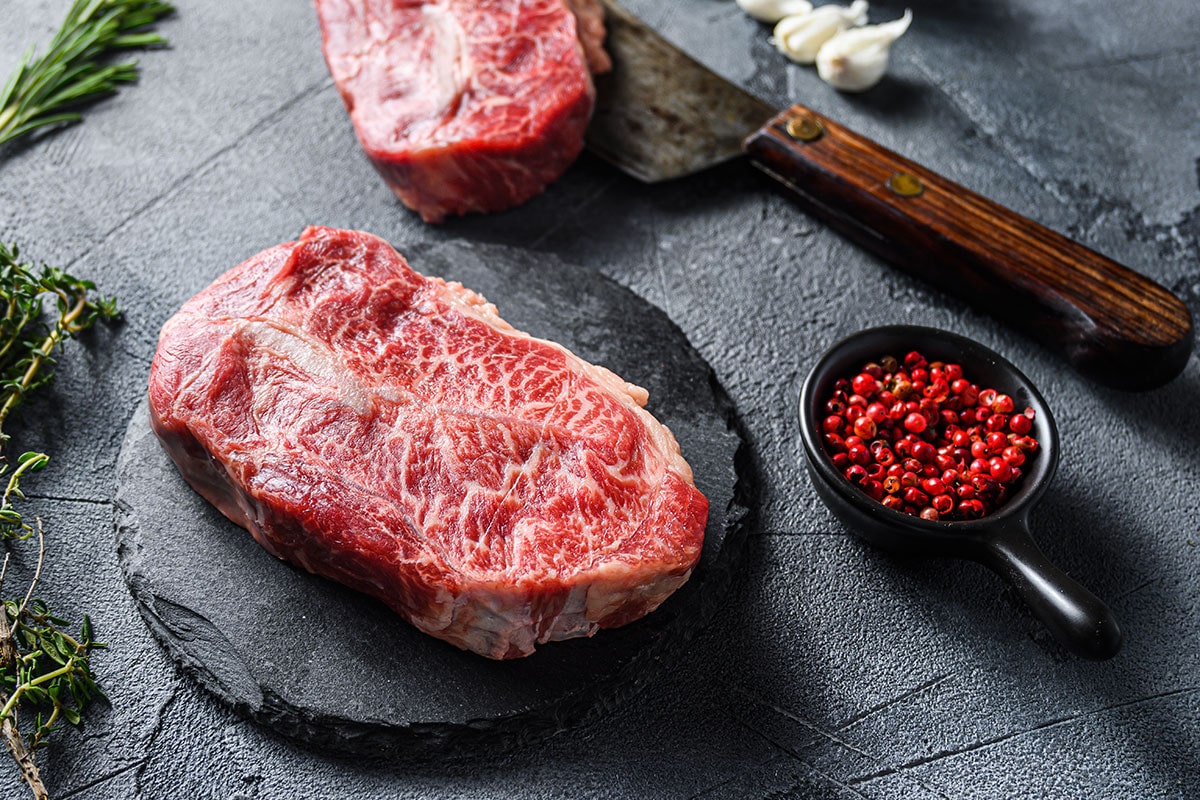
Dry ageing involves degrading the connective tissue and muscle protein structure of meat. The most commonly used cuts are loin, rib-eye steak and sirloin, which can be matured in dedicated chambers or refrigeration units. Placing the meat in a controlled ageing chamber, where humidity, temperature and ventilation are carefully regulated, allows the flavours to concentrate and the muscle fibres to break down, making the meat more tender and tasty. Dry-ageing often leaves a layer of fat on the meat to help develop flavour, retain moisture and reduce the loss of finish when the rind is finally removed.
The flavour of dry-aged meat can vary from buttery to nutty too almost wild depending on age and storage conditions. The flavour also depends on other factors such as the quality of the meat cut, whether the animal was fed grass or grain, the storage temperature and the relative humidity during ageing.
Vacuum ageing
In wet ageing, meat is sealed in vacuum bags with a marinade or liquid and then matured in a humid environment. During the ageing period, the natural enzymes in the meat continue to work, breaking down the muscle fibres and making them softer.
There are some differences between this technique and dry ageing. In particular, it tends to keep the meat more moist and develop less outer crust than dry maturing, which can have a more pronounced outer crust. Although it does not develop the same intense flavours as dry-curing, it has the advantage of being a faster process and can lead to good results in terms of flavour and texture. The plastic bag in which the meat is placed prevents evaporation, so the same water loss and flavour concentration is not achieved.
Wet ageing is often used for cheaper meats or less valuable cuts to improve tenderness and flavour.


