
Freezing and blast chilling are terms that are sometimes confused and are often mistakenly used with the same meaning. In reality, they correspond to radically different concepts and processes and it is useful to know them in detail in order to be able to distinguish between them, because when it comes to food preservation, the quality of prepared food and the health of those who consume it depend on it.
Freezing food
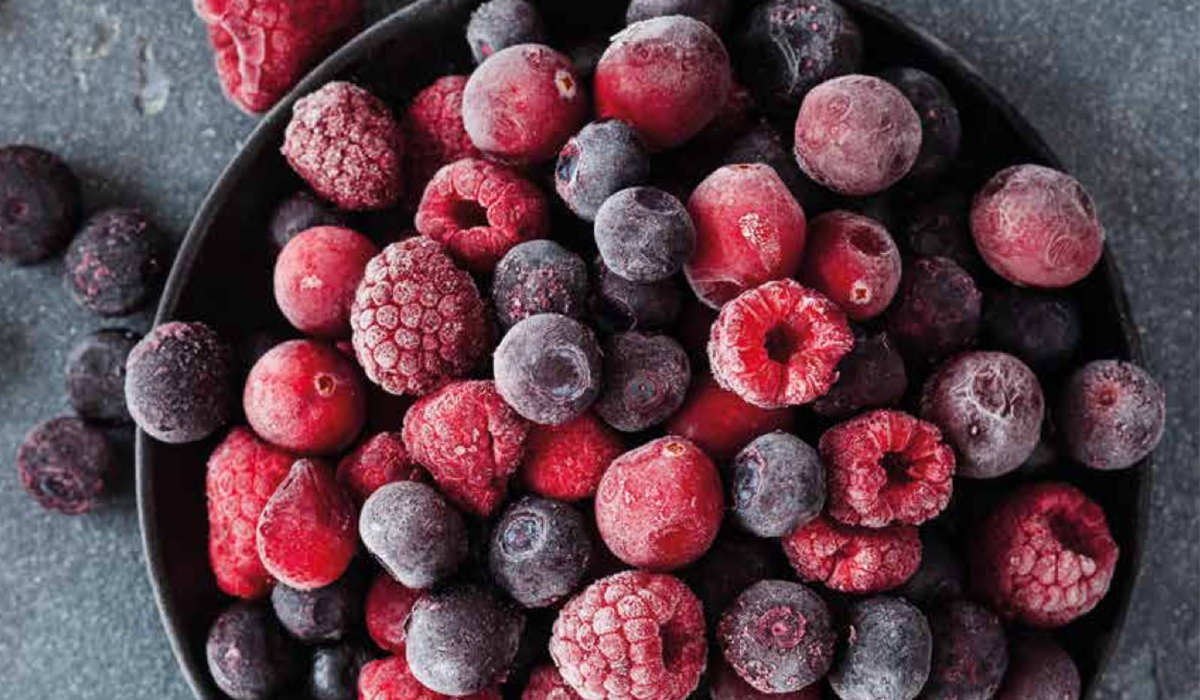
Freezing means bringing food to a temperature below zero. More precisely, food is frozen at a temperature between -7°C and -12°C (or -18°C in the case of meat and fish). The freezing process takes more than 4 hours and then allows food to be stored at a temperature between -10°C and -30°C.
Freezing can slow down the enzymatic process responsible for food spoilage, even considerably, but it cannot stop it completely. In addition, once thawed, the product loses some of its nutrients as well as some of its taste: the ice crystals that form in the tissues during the process cause an alteration in the biological structure of the food.
Blast chilling of food
Blast chilling differs from freezing primarily in its purpose: whereas freezing is used to preserve food, blast chilling is primarily used to eliminate bacteria and any parasites that may be found in food, especially if it is to be eaten raw. For example, sushi and sashimi can harbour the parasite Anisakis as we have already seen in the article on fish blast chilling.
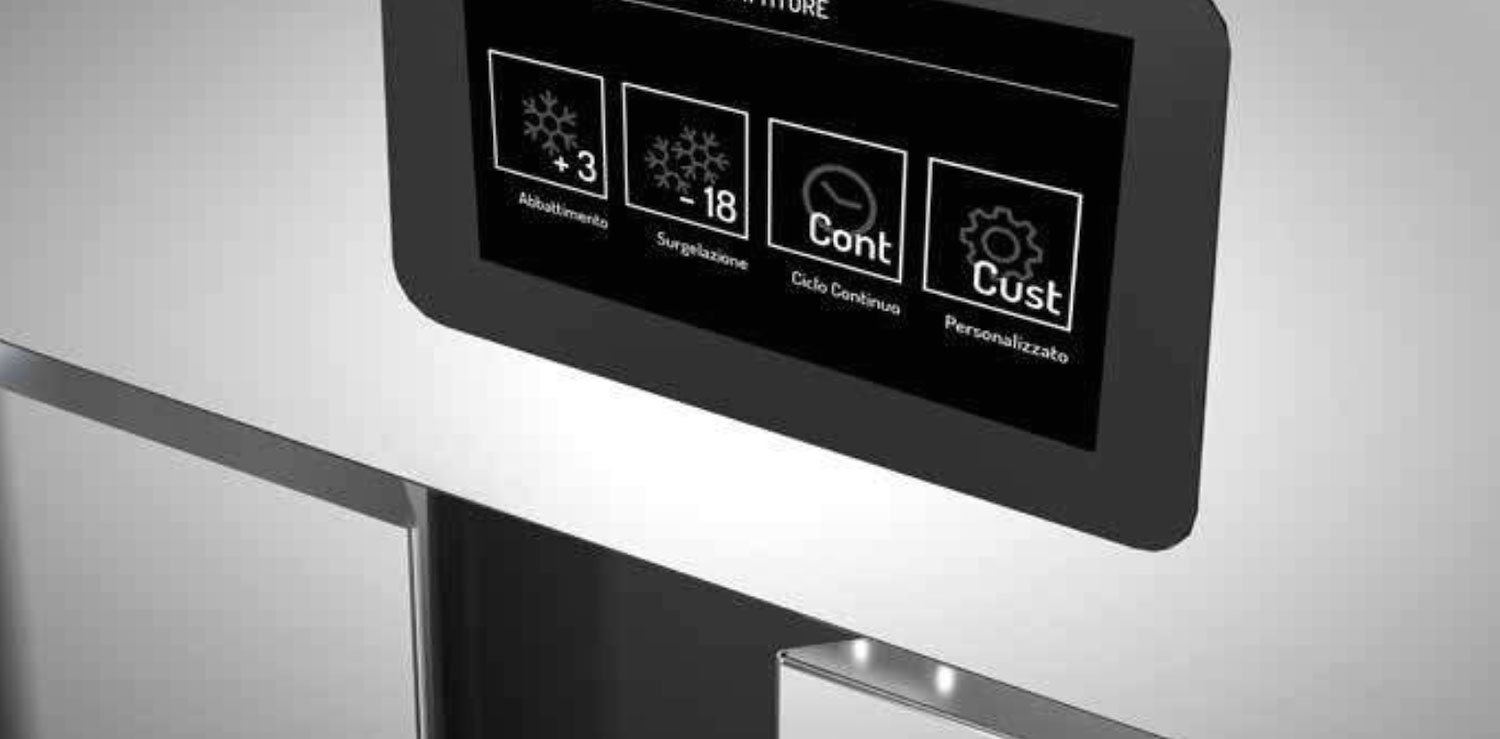
In order to be effective and compliant with the regulations, blast chilling must be carried out quickly using a blast chiller, which can bring the food down to 3°C in just 90 minutes, regardless of whether it is raw or freshly cooked. The low temperature must then be maintained for 24 hours to ensure the elimination of bacteria and parasites.
The rapidity with which the process takes place results in the formation of microcrystals of ice, which, unlike in freezing, do not damage the biological structure of the food. The organoleptic and nutritional properties remain unaltered and the food subjected to this thermal shock can be stored in the refrigerator for almost immediate consumption or in the freezer for longer periods.
ILSA’s blast chilling solutions
Over the years, ILSA has acquired considerable experience in the design and production of blast chillers for professional use. In its catalogue, it can boast a whole range of models, which differ in their use, load capacity and technical characteristics, such as the Evolve series blast chillers. These are extremely reliable appliances, with a structure in resistant AISI 304 stainless steel and a scotch-brite satin finish, which operate in a temperature range from +90°C to -18°C. The models respond to different work volumes and range from a minimum capacity of 5 trays to a maximum of 40 trays.
Features that make the difference
The Evolve series includes blast chillers with different uses: from equipment dedicated to kitchens to specific equipment for bakeries and blast chillers with trays, designed specifically for ice cream parlours. ILSA’s Evolve series of air- or water-cooled condensing appliances are manufactured with quality materials and proven durability. They have self-closing reversible doors, removable magnetic gaskets, easily removable wire grids and cells with rounded internal corners to ensure perfect cleanliness and hygiene. These and other features allow you to choose the most suitable blast chiller for your needs from the numerous models belonging to the Evolve series and other ILSA blast chiller series.