


Professional equipment for bakery and pastry
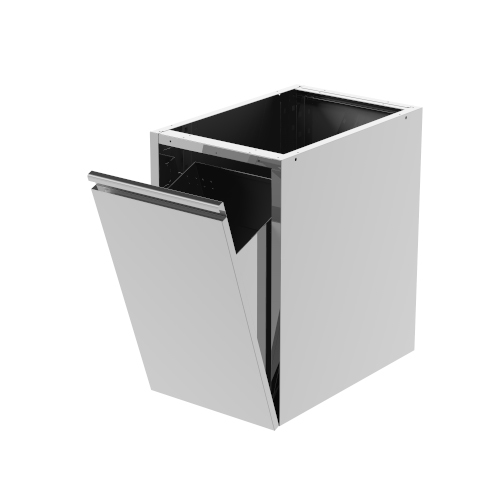
Cupboard h 710 mm with container
tilting Model CP71A013 Linea H710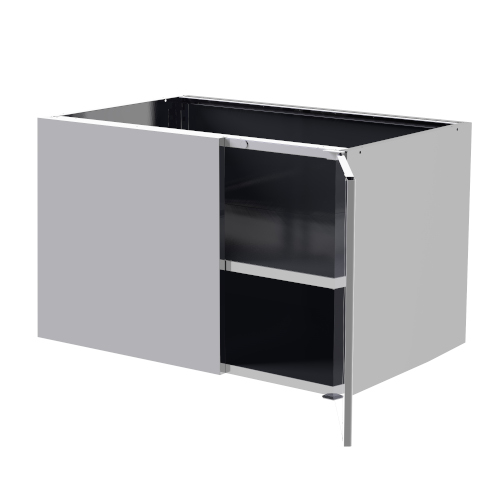
Cupboard h 670 mm with shelf right version
with hinged door Model CP67A015 Linea H670 Cupboard h 710 mm with shelf right version
with hinged door Model CP71A015 Linea H710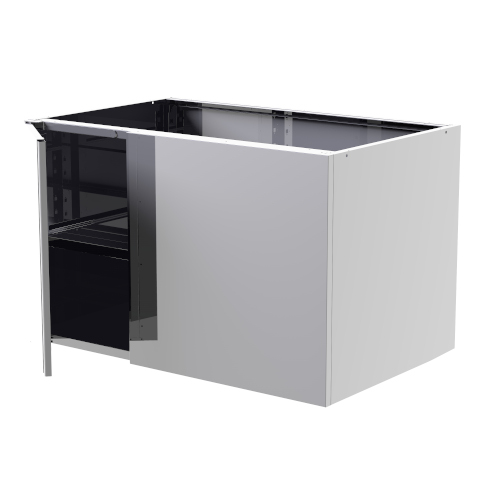
Cupboard h 670 mm with shelf left version
with hinged door Model CP67A016 Linea H670 Cupboard h 710 mm with shelf left version
with hinged door Model CP71A016 Linea H710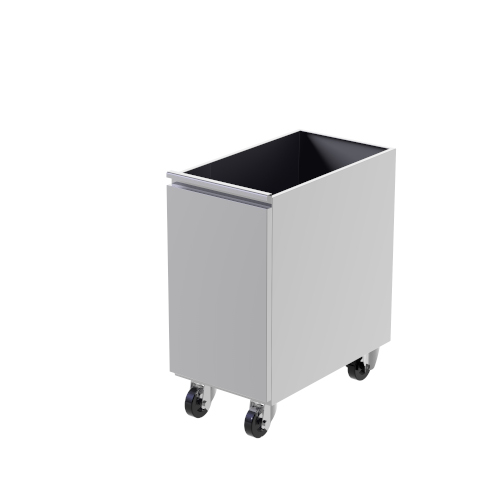
Hopper h 780 mm
simple Model CTP670001 Linea H780 Hopper h 820 mm
simple Model CTP710001 Linea H820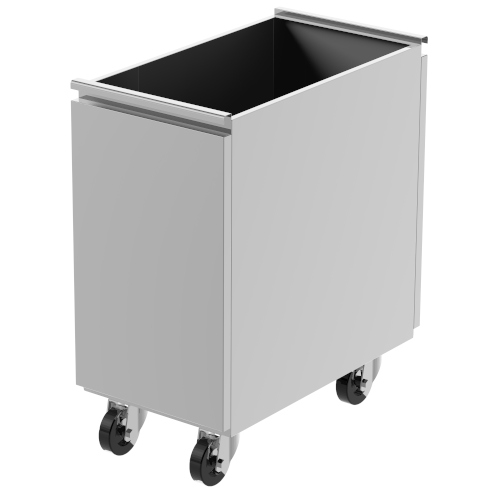
Hopper h 780 mm
pass through Model CTP670003 Linea H780 Hopper h 820 mm
pass through Model CTP710003 Linea H820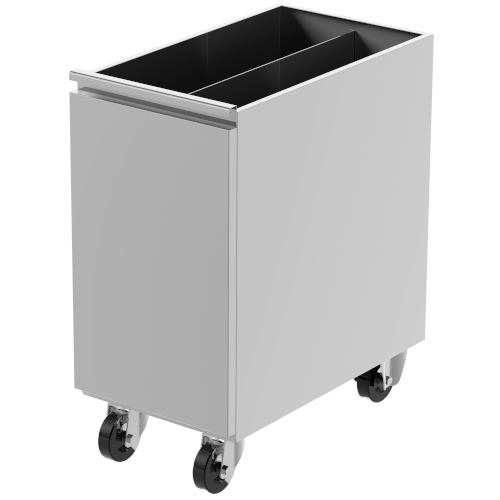
Hopper h 780 mm
with divider Model CTP670004 Linea H780 Hopper h 820 mm
with divider Model CTP710004 Linea H820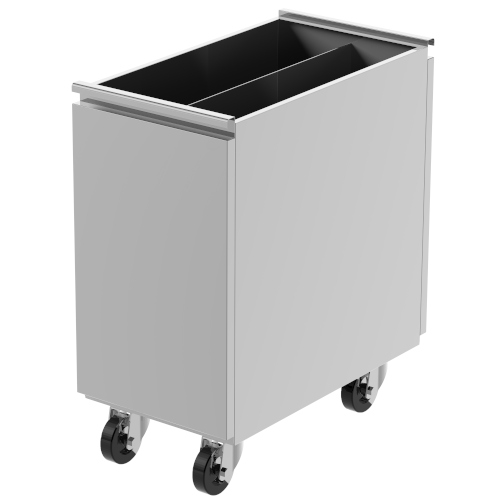
Hopper h 780 mm
with divider, pass through Model CTP670006 Linea H780 Hopper h 820 mm
with divider, pass through Model CTP710006 Linea H820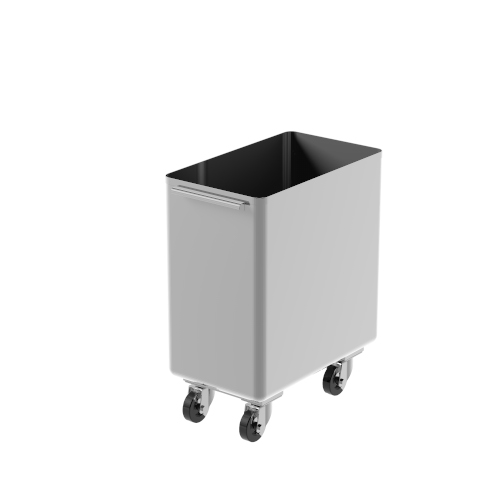
Hopper h 780 mm
with rounded edges Model CTP670007 Linea H780 Hopper h 820 mm
with rounded edges Model CTP710007 Linea H82040 years of experience in the design and manufacture of professional equipment for bakery and pastry
This range of equipment designed for the creative art of bakery and pastry is the result of over 40 years of experience in this sector. A wide range of modular elements has been carefully designed to create flexible and efficient workstations. The versatile elements, worktops and accessories are all made of stainless steel Aisi 304 Cr-Ni 18/10 and are fully compliant with European hygiene standards.
Retarder proving: manage dough and processing steps with greater autonomy and produce a higher quality product.
Retarder proving is a process that can really change the way people work in bakeries and pastry shops, often overnight. Thanks to modern technology, it is possible to manage dough and processing steps with greater autonomy and produce a higher quality product. Let’s find out how the retarder prover works and why it is useful.
What is proving?
A delayed proving is a system for slowing down or blocking the action of the yeast, which allows the dough to remain fresh for longer. When leavening is done at room temperature, once the dough balls have reached the optimum level, it is necessary to immediately process them. By acting on the temperature to ensure this remains below 4°C, the proving cabinets succeed in slowing down the fermentation action of the yeasts: the process prevents the formation of the carbon dioxide that develops from the interaction between the enzymes in the dough and the starch in the flour. The delayed proving process consists of 4 stages: the dough is initially cooled to -5°C and then kept at -2°C. It is possible to set the leavening process to restart gradually, passing through a pre-leavening at 13°C and finally to leavening at 23°C.
When it is useful to retard proving?
The retarded proving process helps to improve the comfort and organisation of work. Traditionally, those working in a bakery or pastry shop were forced to work at night in order to be able to take products out of the oven on time, following a continuous preparation cycle. By using retarder-proving cabinets, on the other hand, it is possible to prepare the dough in advance, slow down the proving process to rest at night and resume work the next morning, finding the dough ready to be baked at the appointed time. The production process can be planned and split into separate phases to be carried out separately: dough preparation, proving and baking. Even those working in pizzerias can greatly benefit from better organisation of the preparation of pizza doughs.
The organoleptic advantages of retarded proving
Retarded proving is also of benefit for doughs, as it is possible to reduce the amount of yeast normally used by up to 50%. The process leads to less evaporation of water and consequently a higher dough rise. In addition, a slower leavening process best maintains the organoleptic qualities of the product and improves digestibility. The dough is more homogenous down to the core and there is no risk of a separation between the crust and the inside during baking. The flavours and aromas are more intense and fuller, because they are not distorted by forced leavening in reduced times, and the fermenting cells are isolated environments: there is no external influence that can alter the appearance and taste of the dough.
Ilsa retarder prover cabinets tables for bakery and pastry
Ilsa proving cabinets are equipped with the innovative Ilsa Bakery System: a technology to manage the three fundamental variables for proving: temperature, humidity and time. The products are designed to simplify operators’ work: all they need to do is set the desired parameters and start the programme. The proving cabinet automatically manages the different process steps: cooling, storage, pre-leavening and proving. The ventilation system ensures uniform and controlled cooling.
Ilsa proving cabinets are available in different models to meet different requirements in terms of size, temperature range and pan capacity. Discover the whole range of professional equipment for bakery and pastry.
Retarder prover counters,
refrigerated tables,
refrigerated cabinets,
roll in,
retarder prover cabinets and
blast chillers and shock freezers


